Ducks Unlimited® Ecology Conservation & Management Certification Practice Test 3
Directions:
Answer the following questions.
1. Samantha is developing a management plan for an area suffering a significant reduction of grasses and plants which directly affects the viability of an endangered species. Her plan involves an increase of primary producers to support long-term ecological balance and to eliminate the requirement of human influence. Which of the following best represents this management plan?
B. Sustainability
C. Mutualism
D. Partnership
2. A volcano has erupted and has now cooled off to leave bare rock. Over time, lichens have colonized on the rock, breaking it down and creating soil. Soil allowed grasses and flowering plants to grow. In this example, which of these was most likely the pioneer species?
A. Soil
B. Lichens
C. Grasses
D. Flower plants
3. Which of the following is a true statement about wintering habitats?
A. Waterfowl may travel significantly around wintering habitats to find the best resources.
B. Waterfowl stay within a small radius once selecting their wintering habitat.
4. Which of the following examples corresponds to the category of protection efforts?
A. Conservation easement or regulatory measure like the Organic Act which prevents habitats from being converted or fragmented
B. Re-establishing the topography of an area
C. Controlling hydrologic regime to ensure proper water levels
D. Optimizing the use of fertilizer and pesticides to prevent excessive nutrients and runoff
5. Water found in a wetland with woody plants, saturated or slow-moving water and low oxygen levels in the soil is known as which of the following?
A. Tidal marsh
B. Bog
C. Swamp
D. Fen
6. Which of the following adaptations is shown in the image?
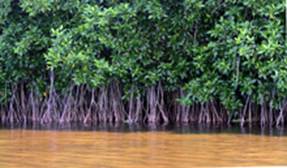
A. Aerenchyma
B. Fens
C. Floating leaves
D. Aerial roots
7. Carol works for the U.S. Fish & Wildlife Service and is surveying an area to determine if it meets the requirements to be classified as a wetland. Which of the following is NOT a requirement for her to take into consideration?
A. The soil is primary hydric, formed under prolonged flooding
B. The area supports hydrophytic plants for at least parts of the year
C. The area is saturated during part of the growing season
D. The area must have standing water year-round
8. Levees are used to stop water from naturally changing course and to prevent flooding.
A. True
B. False
9. Preservation is the act of rebuilding an area suffering severe habitat loss.
A. True
B. False
10. Which president is thought to have done more for conservation than any other president?
A. Theodore Roosevelt
B. Franklin Roosevelt
C. Ulysses S. Grant
D. Herbert Hoover
11. Marine habitats cover more than __________ percent of the earth’s surface.
A. 20
B. 50
C. 70
D. 90
12. Which of the following best describes agroforestry?
A. Large farms growing young trees to be replanted into the forest
B. Trees grown in areas of agriculture which are used to stabilize environmental conditions of crops
C. Mature trees are logged first to allow thinner trees to flourish
D. Invasive plant species are planted to thin out weaker trees
13. Which of the following best describes kudzu and garlic mustard found in North American forests?
A. Harvestable crops grown through agroforestry methods
B. Moss species found in temperate forests
C. Common deciduous tree species
D. Invasive species impacting forest health
14. Which of the following best describes anaerobic soil in a wetland?
A. The soil is free of oxygen
B. The soil is nutrient deficient
15. Which of the following is a true statement about non-tidal marshes?
A. They occur in poorly draining low places and along boundaries of freshwater sources
B. Their water levels are influenced by tidal patterns
C. They contain salt-water
D. They are inhospitable to most plant and animal types, so biodiversity is limited
A. California
B. Iowa
C. Missouri
D. Texas
17. The image represents which of the following species?
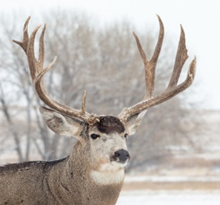
A. Elk
B. Moose
C. Mule deer
D. White-tailed deer
18. Which of the following best describes high-grading harvest?
A. All growth was cleared in an area no matter the age or type of plant
B. Only cutting the largest or most valuable tree species in an area
C. Cutting off the tallest branches of trees to allow more sunlight to penetrate the forest floor
D. Cutting trees which were small and overcrowding other trees and plants in the area
19. One acre of wetlands filters 7.3 gallons of water a month into fresh drinking water.
A. True
B. False
20. Which of the following methods is used during mark and recapture?
A. Leg band
B. Spaying
C. Neutering
D. Recall training
21. Birth and death rates are expressed as the number per __________ individuals per unit of time.
A. 10
B. 100
C. 1,000
D. 10,000
22. What is the difference between population size and density?
A. Population size refers to the number of individual animals per unit area, while density refers to the number of individual animals total
B. Density refers to the number of individual animals per unit area, while population size refers to the number of individual animals total
23. The Migratory Bird Conservation Act created the migratory bird conservation commission in 1929 in order to evaluate and approve federal land for wildlife refuges using federal funding. This commission is made up of the Secretary of Agriculture, two senators, two members of the house of representatives and __________.
A. The President
B. The Secretary of the Interior
C. The chief biologist of the U.S. Fish and Wildlife Service
D. Representation from Ducks Unlimited®
24. What percent of forests remain in the United States?
A. 33
B. 47
C. 58
D. 62
25. Forty percent of the world’s oxygen is produced in which of the following?
A. Grasslands
B. Tropical rainforest
C. Neritic zone
D. Freshwater habitats
A. Odontophoridae
B. Columbidae
C. Picidae
D. Falconidae
27. Hunting and fishing regulations are independent of monitoring wildlife populations.
A. True
B. False
28. Which of the following wetlands is dominated by emergent vegetation?
A. Marshes
B. Bogs
C. Swamps
D. None of these answer choices are correct
29. Which of the following pests best represents insects which reproduce in the inner bark of trees, causing decay and death in healthy trees?
A. Root disease
B. Bark beetles
C. Tree decline
D. None of these answer choices are correct
30. Which of the following best describes stopover sites?
A. Habitats utilized by migratory birds for resources along the flyway during bi-annual migration
B. Habitats utilized temporarily by mammals during regular daily activity
C. Habitats utilized by certain aquatic life for breeding sites and nurseries
D. Habitats utilized by humans for a short time for recreational purposes like camping or hiking
31. Which of the following is a characteristic of the taiga?
A. Northernmost forests with seasonal climate including long winters and short summers
B. Most diverse of all ecosystems
C. Lacks seasonal climate, but can have wet and dry seasons
D. Includes deciduous and coniferous forests
32. A large plot of land in a grassland ecosystem was converted for agriculture. After four decades of agricultural use the land was abandoned and began to revert to its original grassland state. This is an example of which of the following?
A. Primary succession
B. Secondary succession
C. Climax community
D. Ecosystem management
A. Areas of grassland which undergo sandstorms
B. Grasslands which are transformed into agriculture lands
C. Grasslands which are near a desert area and acts a transition zone
D. Grasslands which undergo drought or demineralization and turn into a desert landscape
34. Which of the following animals utilize wetland habitats for gathering resources during migration?
A. Migratory birds
B. Dolphins and porpoises
C. Nutria
D. Large deer species like moose and elk
35. Select the correct answer from the choices provided in the underlined sections.
Game species can be broken down into five categories. Big game / Furbearers includes all cervid, bovine, and apex predator species. Big game / Furbearers includes species which are trapped and harvested for their pelt.
36. Which of the following has the authority to manage migratory birds, marine fish and endangered species?
A. U.S. Fish and Wildlife Service
B. USDA Natural Resources Conservation Service
C. Environmental Protection Agency
D. United States Department of Agriculture
37. Which of the following is true about chlorophyll?
A. Is required in order to perform photosynthesis
B. Is required in producers to create carbon dioxide
C. Synthesizes food from oxygen and water
D. None of these answer choices are correct
38. Because diving ducks have a smaller wing-to-body ratio, they are required to do which of the following in order to take flight?
A. Launch themselves in the air
B. Swim to the surface with force
C. Run across the water to gain speed
D. Run across the ground to gain speed
39. Which of the following is a private organization which has conserved more than 14 million acres since its founding and has sister organizations in both Canada and Mexico which have collectively raised more than $2 billion through the “Rescue Our Wetlands” campaign?
A. United States Fish and Wildlife Service
B. Ducks Unlimited®
C. The Farm Bill
D. Environmental Protection Agency
40. Which of the following parks was the first established national park?
A. Yellowstone National Park
B. Banff National Park
C. Zion National Park
D. Yosemite National Park
41. Which of the following is the best description for the logging practice term known as clear-cutting?
A. Removing all growth in an area, no matter the age or type of plant
B. Logging only the most mature trees
C. Leaving some desirable mature trees standing
D. Only cutting down the biggest or most valuable trees species in an area
42. Approximately $430 million are generated each year from which of the following?
A. Hunting deer
B. Hunting waterfowl and bird watching
C. Crabbing
D. Camping
43. The image represents which of the following species?
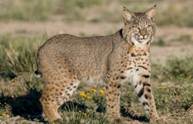
A. Gray wolf
B. Coyote
C. Bobcat
D. Canada lynx
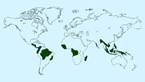
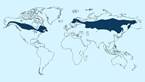
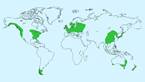
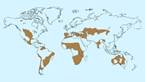
44. Which of the following is considered primary grassland habitat?
A.
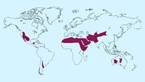
B.
C.
D.
E.
F.
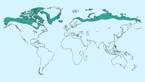
45. Select the correct phrase from the two options in the underlined section.
Transpiration is when plants release water vapor / carbon dioxide during photosynthesis and respiration.
46. When measuring a population, a census calculates the exact population.
A. True
B. False
47. Which of the following events adds to abundance?
A. Immigration
B. Emigration
C. Death
D. None of these answer choices are correct
48. Which of the following is a habitat requirement for breeding grounds?
A. Access to ample amounts of easily accessible resources nearby, multiple ponds or small wetlands ideal to allow breeding pairs to spread out significantly and reduce competition for resources
B. Plentiful resources for feeding to replenish energy stores and protected shelter while resting for short periods
C. Habitats with food and other resources, waterfowl may travel significantly within this habitat to find the best resources throughout the season
D. None of these answer choices are correct
49. Which of the following laws prohibited market hunting?
A. Lacey Act of 1900
B. Migratory Bird Treaty Act
C. Fish and Wildlife Coordination Act
D. Pittman-Robertson Act
50. Grasslands are dominated by grasses and several species of forbs. Which of the following best describes a forb?
A. Broadleaf plants and lower shrub vegetation
B. A drought tolerant species of grass
C. Trees and taller shrubs which survive in grasslands
D. Invasive species which takes over grasslands
51. Which of the following is NOT a reason for conducting a prescribed burn?
A. Rejuvenate growth by releasing seeds
B. Clearing dead vegetation from the forest floor
C. Removing weak and dying trees
D. Preventing wildlife from entering unwanted areas
52. Which legislation ensures safe standards for waste discharge and other point-source pollution?
A. The Migratory Bird Hunting and Conservation Stamp Act
B. The North American Wetlands Conservation Act
C. The Clean Water Act
D. The Farm Bill Act
53. This illustration depicts which of the following concepts?
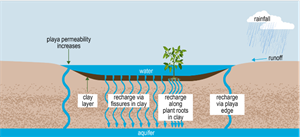
A. Biological productivity
B. Baseflow contribution
C. Groundwater recharge
D. Water cycle
54. The image represents which of the following species?
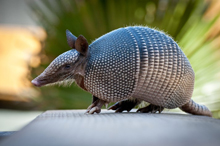
A. Nine-banded armadillo
B. Norway rat
C. Eastern red bat
D. Virginia opossum
55. The process of naming species uses __________, giving the species a name with two parts.
A. Binomial nomenclature
B. Diagnostic characteristics
C. Monomial nomenclature
D. Ecology naming
56. What act enabled funding through the sale of firearms, ammunition and sporting goods?
A. Pittman-Roberston Act
B. Weeks-McLean Act
C. The Fish and Wildlife Coordination Act
D. National Economic Restoration Plan
57. The Bureau of Biological Survey and the Bureau of Fisheries were combined under which president to create the U.S. Fish and Wildlife Service?
A. Ulysses S. Grant
B. Franklin Roosevelt
C. Henry Ford
D. Herbert Hoover
58. Paul is a park ranger in charge of removing a brown bear which has been invading campsites and has grown comfortable around park guests. Paul sets up motion sensors which rapidly flash lights when triggered around the border of the park. After a period of time, Paul notices there have not been any more bear sightings in the park. This is an example of which of the following?
A. Behavior modification
B. Mark and recapture
C. Predator-human interaction
D. Habitat management technique
59. In what year was the Federal Water Pollution Control Act established?
A. 1869
B. 1935
C. 1948
D. 1978
60. Which of the following is NOT a biome?
A. Ocean
B. Forest
C. Mountain
D. Grasslands
61. Rotational grazing can be an effective management technique for grassland areas.
A. True
B. False
62. Which of the following is the best description of taxonomy?
A. Branch of science where organisms are classified and named based on their similarities and differences
B. Places an organism in descending, ordered groups which share more specific similarities with the organism than the previous group
C. Begins by placing an organism in a domain, all the way down to a species
D. All of these answer choices are correct
A. Clean Water Act
B. The Farm Bill
C. Duck Stamp Act
D. The Organic Act
64. Maintaining biodiversity, protecting freshwater quality, recharging groundwater and controlling floods are all critical components for which of the following biomes?
A. Grasslands
B. Wetlands
C. Forests
D. Aquatic
A. Yellowstone National Park Protection Act
B. National Economic Restoration Plan
C. First Wildlife Refuge Plan
D. Organic Act
66. The image represents which of the following species?
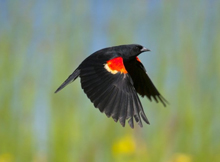
A. House finch
B. Red-winged blackbird
C. American goldfinch
D. White-eyed vireo
67. Which order is defined by having a diet which consists of a majority of animal protein?
A. Carnivora
B. Artiodactyla
C. Chiroptera
D. Cingulata
68. Which of the following is a fundamental principle of the North American Model of Wildlife Conservation?
A. Hunting of wildlife is required by law
B. Fish and wildlife belong to all conservationists
C. Hunting, fishing and trapping shall be democratic
D. Fish and wildlife must be managed in ways to sustain healthy populations forever
69. Which of the following is NOT regulated by the National Park Service?
A. Parks
B. Reservations
C. Natural and historic objects
D. Private land
70. The Weeks-McLean Act allowed the establishment of which of the following?
A. Closed seasons for hunting migratory birds
B. Sale of migratory birds and their parts
C. Shipping, purchasing or acquiring wild birds
D. Creation of a stamp for waterfowl hunters
71. Denitrification is an essential step in which of the following cycles?
A. Carbon
B. Nitrogen
C. Phosphorus
D. Hydrogen
72. Nutrient flow is the natural process which provides for the cycling of chemicals between biotic and abiotic factors including water, oxygen, carbon, nitrogen and phosphorus.
A. True
B. False
73. If an area has an over-abundant population and the habitat can no longer sustain the population, the population has surpassed the _________.
A. Population capacity
B. Carrying capacity
C. Population health
D. Carrying health
74. Select the correct phrase from the two options in the underlined section.
Abiotic factors are density independent factors / density dependent factors.
75. Who published the very first textbook about game management?
A. Aldo Leopold
B. Theodore Roosevelt
C. George Bird Grinnell
D. Gifford Pinchot
76. Organisms do NOT require nutrients, or chemical substances, during which of the following phases?
A. Growth
B. Reproduction
C. Maintenance
D. Sleep
77. Which of the following best describes why temperate grasslands are often converted to agricultural land in the United States?
A. Grasslands are typically in areas where farmers live
B. Grasslands have some of the most fertile soils on Earth
C. Extreme climates in grassland areas ensure stable crops
D. There are more grasslands than forests on the continent
78. The clear-cutting of forests can be sustainable for certain species under monitored conditions and with reforestation efforts.
A. True
B. False
79. Which of the following is the best definition for the term reforestation?
A. Planting trees in areas where trees were not previously present
B. Planting new trees in the same habitat older ones were removed from
C. Incorporating trees in areas of agriculture
D. None of these answer choices are correct
80. What percentage of Duck Stamp sales goes to supporting habitat restoration?
A. 50 percent
B. 75 percent
C. 25 percent
D. 98 percent
81. Which president was responsible for establishing the first wildlife refuge?
A. Theodore Roosevelt
B. Ulysses S. Grant
C. Zachary Taylor
D. Ronald Reagan
82. The presence of hair and mammary glands are a diagnostic feature of which class of kingdom animalia?
A. Aves
B. Chiroptera
C. Mammalia
D. Carnivora
A. Pronghorn
B. Bison
C. Passenger pigeon
D. Carolina parakeet
84. When do male waterfowl molt into colorful breeding plumage?
A. Late summer before breeding season
B. Mid-spring after breeding season
C. After selecting a mate
D. After successful nest laying
85. Why are waterfowl called an indicator species?
A. They are good indicators of habitat health
B. They are good indicators for both predator and prey health
C. They are good indicators of species health
D. They are good indicators of hunter success
A. Trees release carbon when decaying, so when areas experience deforestation large amounts of a forest’s sequestered carbon will be released back into the atmosphere
B. Trees do not release atmospheric carbon but do secrete carbon into the soil, resulting in forest soils containing an excess of carbon
C. Trees release large amounts of carbon during the process of photosynthesis, in vast forests of broadleaf trees this outweighs the amount of carbon sequestered
D. Trees can only hold a limited amount of carbon, so a forest of mature trees begins to release carbon as trees age
87. Trees can absorb physical particulates from burning fuel into their leaves to filter the air.
A. True
B. False
88. Almost 40 percent of forests in the United States have introduced invasive species due to the increase of domestic and global travel, trade and commerce. Invasive species cost hundreds of billions of dollars annually and are responsible for nearly 42 percent of endangered plant and animal species.
A. True
B. False
89. The Agricultural Conservation Easement Program, which retires cropland and restores the land to grassland, is part of what piece of legislation?
A. The Farm Bill
B. The Endangered Species Act
C. The Lacy Act
D. The Pelly Amendment
90. Select the correct answer from the choices provided in the underlined sections.
Financial support is needed for new mandates, new threats and enhanced management attention for some species. At the state / federal level, funding is derived from hunting and fishing licenses, sales tax and lottery allocations, voluntary contributions and special license plates. At the state / federal level, funding comes from various legislation, such as the Farm Bill and The Land and Water Conservation Fund.
91. Since the start of the Duck Stamp Act in 1934, how many national wildlife refuges have been created or expanded?
A. 100
B. 200
C. 300
D. 400
92. In order to maintain a healthy balance of nutrients in the soil, Sam plants corn in the spring and soybeans in the fall. This is known as which of the following sustainable agricultural methods?
A. No-tillage
B. Rotational crops
C. Rotational grazing
D. Cover crops
93. Which of the following best describes the number of organisms surviving long enough to be added to a population?
A. Recruitment
B. Emigration
94. The red wolf (Canis rufus) population has been reduced by 83 percent throughout the years, due in large part to habitat fragmentation and destruction. This species can only be found in fragmented forests of North Carolina. Estimates calculate no more than 30 mature individuals make up the population. According to this data, the red wolf would be classified as which of the following?
A. Threatened
B. Vulnerable
C. Critically endangered
D. Over-abundant
95. Using the word bank categorize the following factors influencing population as either abiotic or biotic.
|
Abiotic |
Biotic |
|
|
|
|
· Competition · Disease |
· Natural disasters · Pollution |
· Predation · Water |
A. Lacey Act
B. Migratory Bird Treaty Act
C. Fish and Wildlife Coordination Act
D. U.S. Fisheries Act
97. Which of the following is the purpose of the Endangered Species Act?
A. To protect and recover species which are endangered or threatened
B. To provide financial aid to states for management and restoration of fish
C. To increase public opportunities for recreational use of fish and wildlife resources
D. To create large amounts of funding which is used to purchase waterfowl and wetland habitats
98. Most grasslands are __________ owned.
A. Privately
B. Publicly
99. Which of the following is also known as the Duck Stamp Act?
A. Migratory Bird Hunting and Conservation Stamp Act
B. North American Wetlands Conservation Act
C. Coastal Wetlands Planning, Protection and Restoration Act
D. The Farm Bill
100. Suppressing fire to protect infrastructure leads to a build-up of combustible materials, causing the fire to grow out of control more quickly.
A. True
B. False
